Peace Parks Foundation focuses on the development of five transboundary landscapes in southern Africa. We provide holistic support by restoring and conserving wild spaces at scale, strengthening the resilience of communities and enabling the financial sustainability of protected areas.
Our Vision 2050 is to secure 980,000 km² of functional transboundary landscapes where people and nature thrive.
Reconnect, restore and conserve wild spaces across vast transboundary landscapes in southern Africa.
Learn MoreStrengthening the resilience of communities against the effects of climate change.
Learn MoreEnable the financial sustainability of key protected areas for generations to come.
Learn More
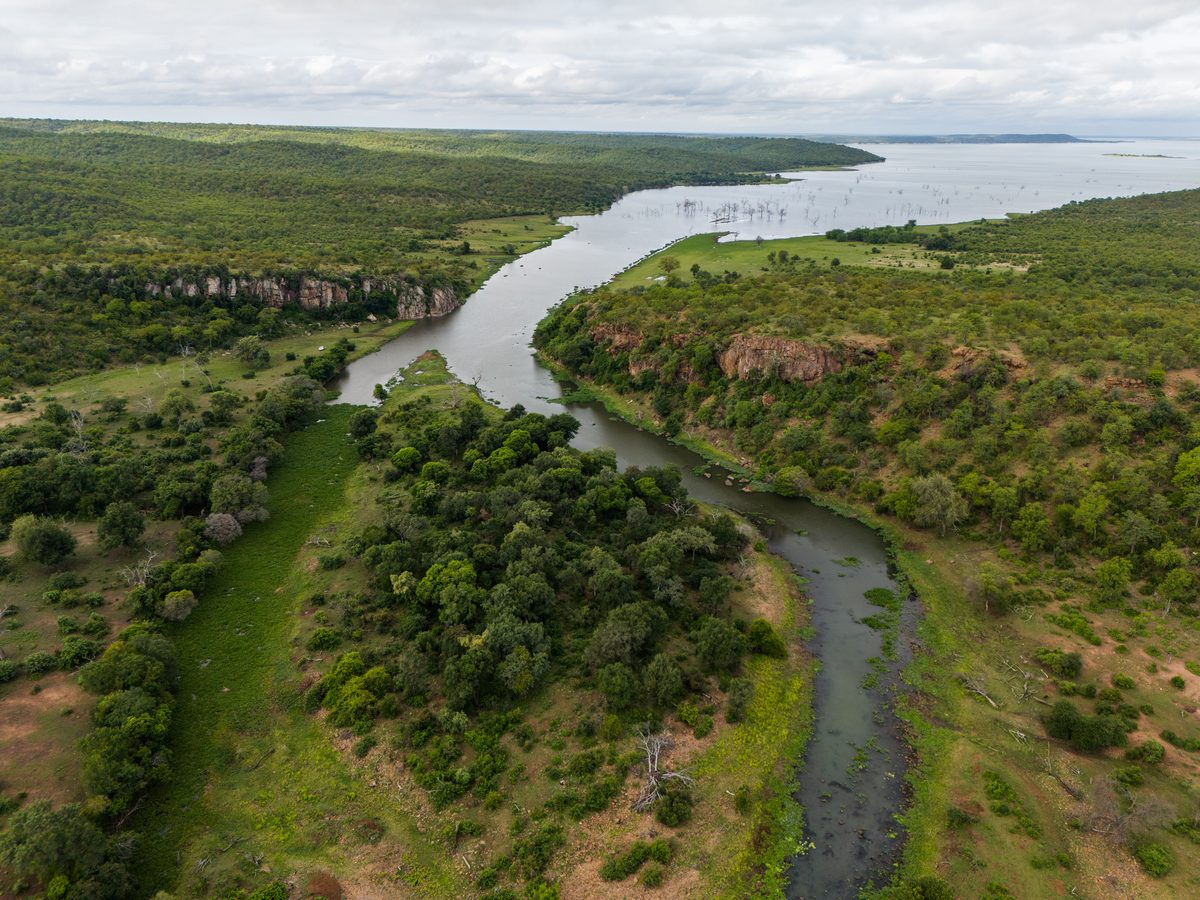
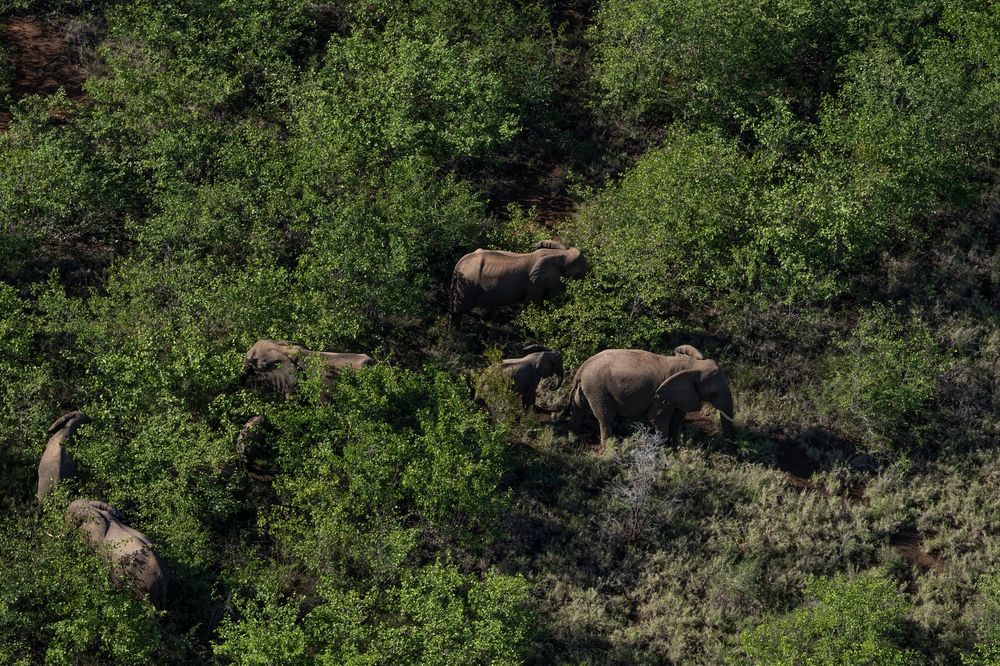
Peace Parks Foundation believes that conservation at scale creates healthy landscapes and resilient communities that are able to adapt to the effects of climate change. We have identified five transboundary landscapes in southern Africa where we will focus our attention.
In partnership with Government and the people living and working in the landscape, our strategy for 2030 is to protect and professionally manage ten key protected areas and establish restored ecological connectivity through seven key wildlife corridors.
This strategy provides us with a medium-term roadmap and key milestones to achieve our vision for 2050. Our strategy relies on three pillars to drive positive change across nine impact areas. Together, they guide our interventions and define the impact of our work.
A transfrontier conservation area (TFCA) is defined as the area or component of a large ecological region that straddles the boundaries of two or more countries. It encompasses one or more protected areas as well as multiple resource use areas. Peace Parks Foundation was actively involved in the establishment and development of ten of the 18 transboundary landscapes found throughout southern Africa.
This 100 000 km² park links the Limpopo, Zinave and Banhine national parks in Mozambique, the Kruger National Park in South Africa, and the Gonarezhou National Park in Zimbabwe.
Read More
The Kavango Zambezi (KAZA) transboundary landscape spans approximately 520 000 km² and includes 36 proclaimed protected areas across Angola, Botswana, Namibia, Zambia and Zimbabwe. It is the largest peace park on the planet.
Read More
The Malawi-Zambia Transfrontier Conservation Area encompasses 32 278 km² and incorporates national parks, wildlife reserves, forest reserves and game management areas.
Read More
Lubombo includes four distinct transfrontier conservation areas between Mozambique, South Africa and The Kingdom of eSwatini, covering a total area of 11 236 km².
Read More
The Lower Zambezi-Mana Pools Transfrontier Conservation Area connects one of Africa's most iconic wilderness areas across international boundaries, protecting critical elephant corridors and river ecosystems.
Read More
A decade of dedicated effort to establish a fully functional Big Five park in a landscape once fragmented by fences and borders.

A connected landscape supporting people and sustaining nature across one of southern Africa's most vital ecosystems.

How community development programmes are creating sustainable livelihoods and reducing pressure on wildlife habitat.

The largest peace park on the planet takes a major step forward as seven key wildlife corridors restore ecological connectivity.